

Kumaoni food is built around what grows at altitude on difficult soil: millets, black soybean, hardy greens and a lot of resourcefulness. Not refined, not rich, and considerably more interesting than the default North Indian menu.
Bhatt ki churkani
Black soybean, roasted and slow-cooked into something between a dal and a stew, thickened with rice flour. Nutty, dark, deeply savoury. If you order one Kumaoni dish, order this.
Aloo ke gutke
Boiled potatoes tossed with dry red chilli, cumin, turmeric and coriander seed, finished with local herbs. Simple and hot, and the first thing out at a Kumaoni meal.
Bhang ki chutney
Roasted hemp seeds ground with lemon and green chilli. No, it does not do anything to you. Tangy and slightly bitter, and it transforms whatever it sits next to.
Madua roti
Finger millet flatbread, dark and denser than wheat, traditionally eaten in winter for the warmth. Eat it with ghee. Also the most nutritious thing on the table by some distance.
Kafuli
Spinach and fenugreek cooked down and thickened with rice paste rather than cream, which keeps it light.
Chainsoo
Roasted and ground black gram, slow-cooked until almost smoky. Heavy and filling. Order it in December, not in May.
Gahat ki dal
Horse gram dal — an acquired taste, and worth acquiring. Earthy and strongly flavoured, considered warming in local practice.
Jhangore ki kheer
Barnyard millet cooked in milk with jaggery. Coarser than a rice kheer and less sweet, which most people prefer once they try it.
Bal mithai
The sweet Kumaon is known for: dark khoya fudge coated in tiny white sugar balls. Looks alarming, tastes like a proper regional sweet. Almora is the traditional source and it travels well.
How to eat it here
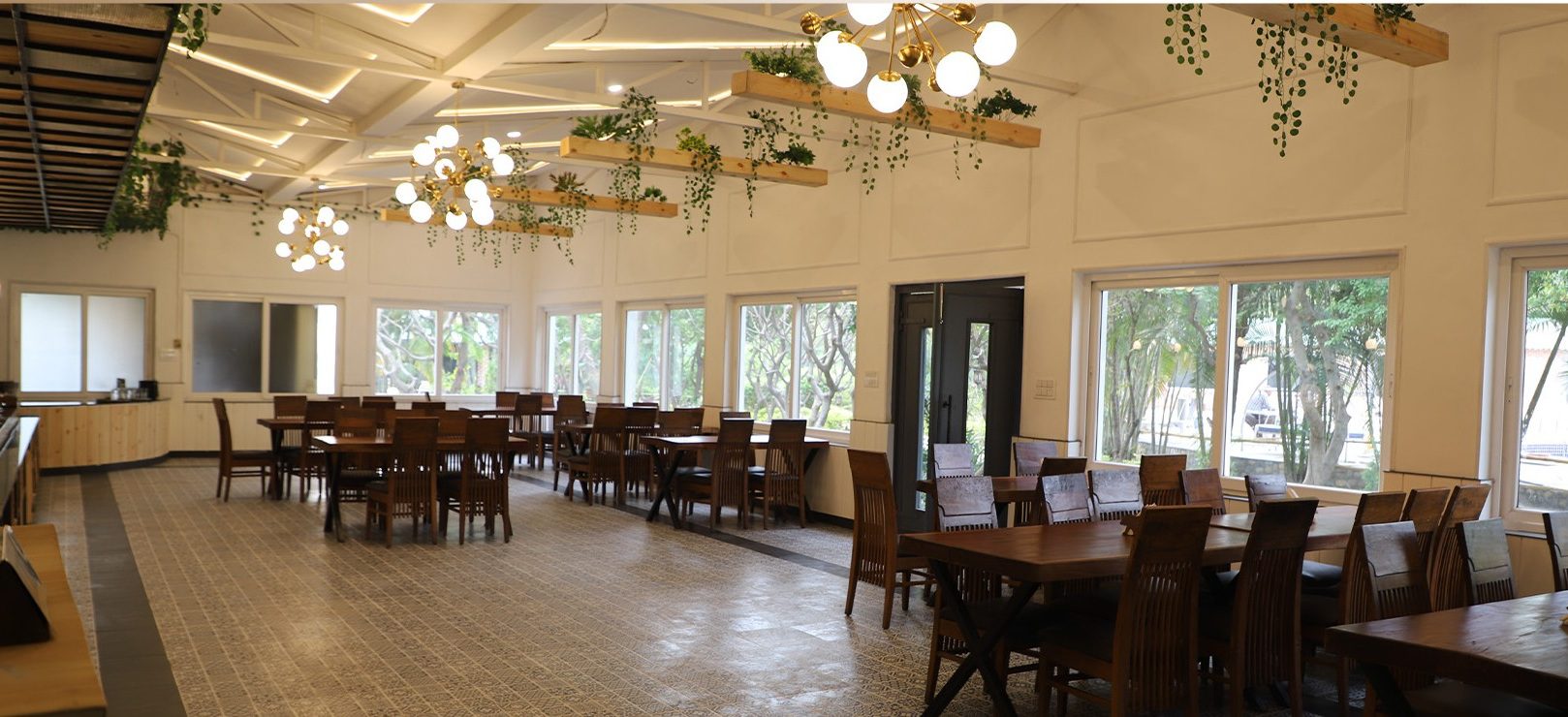
- Kumaoni staples sit on the buffet alongside the Indian, Chinese and Continental dishes
- Ask the kitchen the night before for a full Kumaoni thali and they will build one
- Winter is when the heavier dishes are at their best, which is also when you want them
- Most of it is naturally vegetarian and much is easily made vegan
From the journal
Safari
The best time to visit Jim Corbett, month by month
Every month is good for something and bad for something else. What each one actually gives you, from a resort ten minutes from the Dhela gate.
Read
Safari
Dhela, Jhirna or Bijrani: which Corbett zone should you book?
Six zones, each with a different character, season and reputation. A practical comparison from the resort that shares a boundary with Dhela.
Read
Safari
How to book a Jim Corbett safari permit without getting it wrong
Permits are the part of a Corbett trip that goes wrong most often. What the department needs, when to send it, and the mistakes that cost people their slot at the gate.
ReadBook direct, stay better
Best available rate, breakfast for everyone in the room, first pick of the forest-facing stays, and a safari desk that actually gets the permit.